
Top 5 Key Components of Effective Personalization

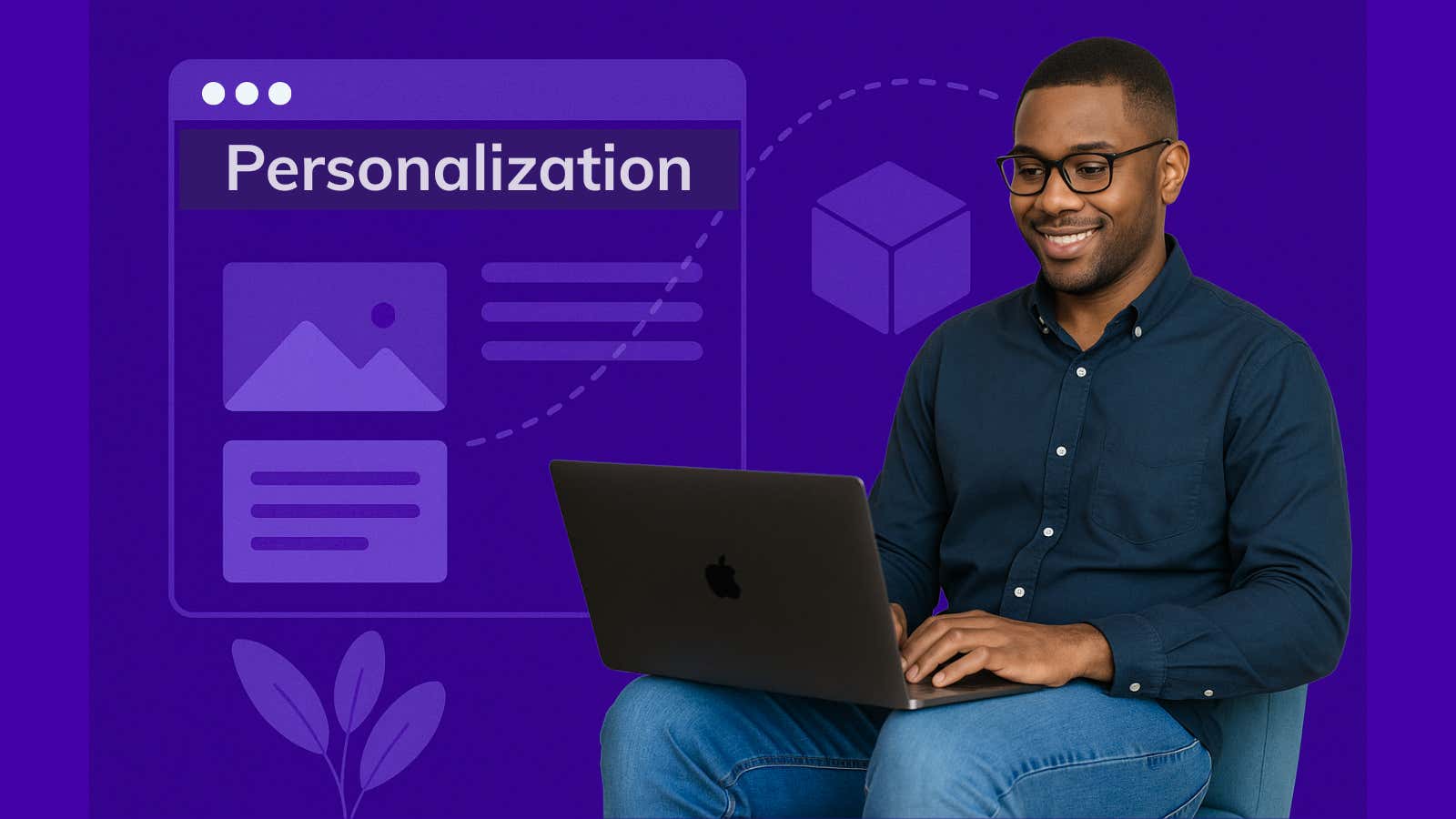
Personalization is the way to ensure your content is intentional, that you know your audience, understand their challenges, and have a solution built for their needs, not a generic message meant for the masses. As consumers become more discerning, driven by advancements in AI and other non-personable techniques, businesses must adapt to meet changing expectations. Here’s a comprehensive look at the key components of effective personalization and how you can leverage these insights to enhance customer engagement.
What is Personalization?
At its core, personalization is about creating tailored experiences that bring together customers and content in the right context at the right time. It involves understanding customer behavior through various data sources, including customer service interactions, behavioral data, and even CRM insights. However, many organizations struggle with personalization due to the complexities involved, especially when integrating with legacy systems.
Learn more about content personalization.
Key Components of Effective Personalization
1. Modular Personalization
Modular personalization involves breaking down a webpage or digital experience into smaller, interchangeable parts or modules that can be individually tailored to meet specific audience needs.
Benefits:
-
Efficiency: By personalizing individual modules (e.g., banners, product recommendations) rather than entire pages, businesses can significantly reduce duplicated content, enhancing agility in content management.
-
Consistency: Customers expect consistent messaging across all touchpoints. Modular personalization ensures that the same personalized content is displayed across various platforms such as web, mobile, and email, enhancing brand coherence.
-
Scalability: As organizations expand their offerings and market segments, modular content can be adapted quickly without extensive redesigns.
2. Prevent Data Silos
Data silos occur when different departments or systems within an organization store data separately, preventing a unified view of the customer and leading to inconsistencies in personalization efforts.
Challenges:
-
Inconsistent customer experience: Disparate data sources can result in varied customer experiences. A customer might receive different marketing messages based on which department's data is being used.
-
Inefficient decision-making: Without centralized data, deriving insights and making data-driven decisions becomes challenging, hampering effective personalization strategies.
Solutions:
-
Unified customer profiles: Implementing Customer Data Platforms (CDPs) helps aggregate data from various sources, allowing businesses to create a comprehensive view of each customer. This enables more tailored and relevant interactions.
-
Integration: Using APIs and middleware solutions to connect various data sources helps eliminate silos and facilitates a smooth flow of information.
3. Orchestration & Integration
Orchestration focuses on coordinating and managing how various systems interact to deliver a seamless personalized experience, while integration typically involves consolidating data into a single repository.
Benefits of Orchestration:
-
Real-time personalization: Orchestration allows for real-time data retrieval from multiple sources without centralizing all information first, enabling businesses to provide up-to-date content and recommendations.
-
Flexibility: As customer needs evolve, orchestration enables quick adaptations to personalization strategies without being tied to a rigid data structure.
Implementation Strategies:
-
API-first approach: Adopting an API-first strategy allows for easy communication between systems, ensuring all data sources can be accessed in real time for personalization.
-
Centralized orchestration layer: Developing an orchestration layer that manages requests between front-end and back-end systems can streamline the personalization process and maintain consistency across channels.
Read how SCENE Rewards innovated their Omnichannel customer experience.
Active Business Involvement
Effective personalization requires active participation from business stakeholders to ensure strategies align with business goals and customer needs.
Importance:
-
Adaptability: The business landscape is dynamic, and customer preferences can change rapidly. Involving business teams in personalization efforts allows quick adjustments based on real-time feedback.
-
Empowerment: Providing business users with tools to configure personalization rules themselves means they can respond to market changes and customer behavior without waiting for IT support.
Tools and Techniques:
-
No-code platforms: Implementing no-code personalization tools enables business users to create and modify personalization rules easily, ensuring marketing campaigns remain relevant and timely.
-
Cross-functional teams: Establishing teams that include members from marketing, IT, and customer service helps ensure personalization efforts are comprehensive and aligned with overall business objectives.
5. Intelligent Recommendations
Intelligent recommendations utilize data analytics and machine learning to provide personalized suggestions based on user behavior, preferences, and historical interactions.
Advantages:
-
Enhanced user experience: By leveraging algorithms to analyze customer data, businesses can deliver highly relevant recommendations that resonate with individual users, improving engagement and satisfaction.
-
Increased conversion rates: Personalized recommendations can drive sales by presenting products or content more likely to appeal to specific customers.
Implementation Strategies:
-
Machine learning models: Developing predictive models that analyze customer behavior can help identify patterns and affinities, allowing for more nuanced recommendations.
-
Feedback loops: Continuously gathering data on customer interactions with recommendations helps refine and improve algorithms, ensuring suggestions remain relevant and effective.
Conclusion: The Future of Personalization
Incorporating these key components into your personalization strategy can significantly enhance customer engagement and satisfaction. By focusing on modular personalization, breaking down data silos, employing orchestration strategies, involving business stakeholders, and leveraging intelligent recommendations, organizations can create tailored experiences that resonate with their audience and drive business success.
As digital marketing evolves, these strategies will become increasingly vital for maintaining a competitive edge.
Empower your Personalization Journey with Agility CMS
Are you ready to take your personalization efforts to the next level? Agility CMS offers a powerful, headless content management system that supports modular personalization and seamless orchestration across multiple channels. With Agility CMS, you can break down data silos, empower your teams with no-code tools, and deliver intelligent recommendations that resonate with your audience.
Explore how Agility CMS can help you create personalized experiences that drive engagement and conversions. Start your free trial today.

About the Author
Joanna Olaru-Boyle is a B2B SaaS marketing manager specializing in demand generation and lifecycle campaigns. She has built her career across companies in technology, retail and events, driving multi-channel programs that create demand and attract new customers.
She holds a Bachelor's degree in History and English from the University of Toronto, a Corporate Communications diploma from Centennial College, and is certified as both a Salesforce AI Associate and Salesforce Pardot Specialist.
Joanna thrives where data and creativity meet and is just as passionate about supporting others in their mental health journey as she is about pipeline growth.
View Related Resources
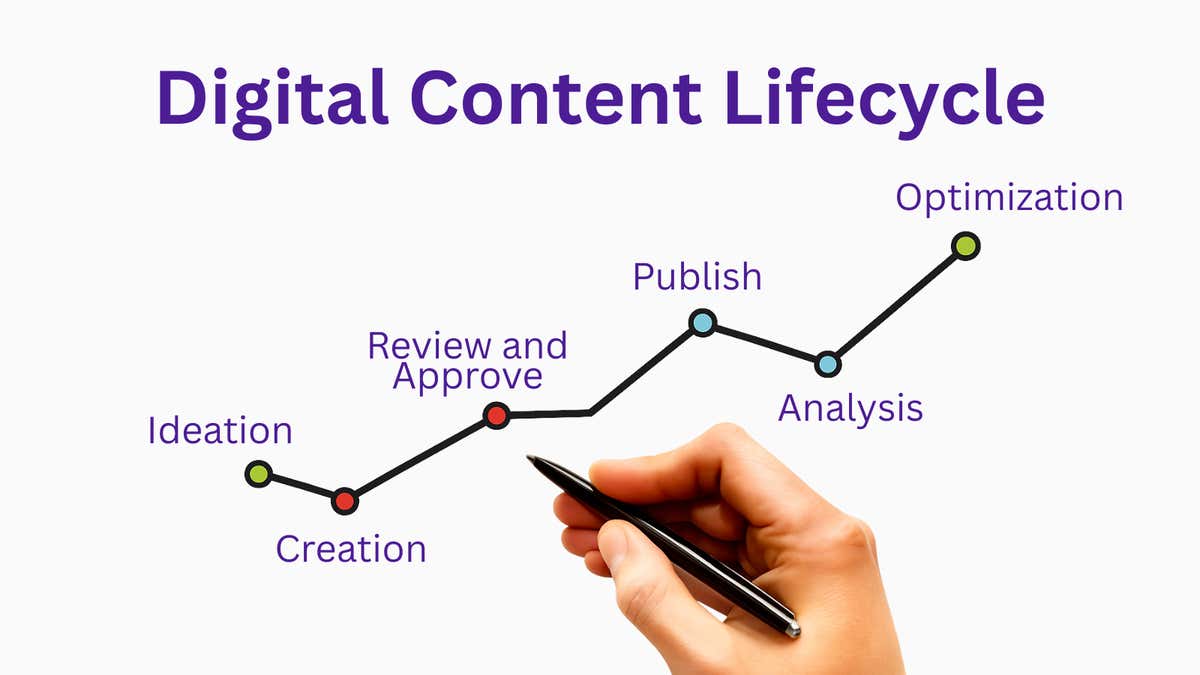
The Lifecycle of Digital Content: From Ideation to Optimization

The Power of Content Personalization: Revolutionizing Modern Marketing
Enhancing Content Experience via AI-Enabled Hyper-Personalization

Why Dynamic Website Personalization Boosts User Engagement
